Automated Quality Control Systems and AI-Based Quality Control
Systems that automate visual inspection with AI, decide at line speed and pass results to production systems.
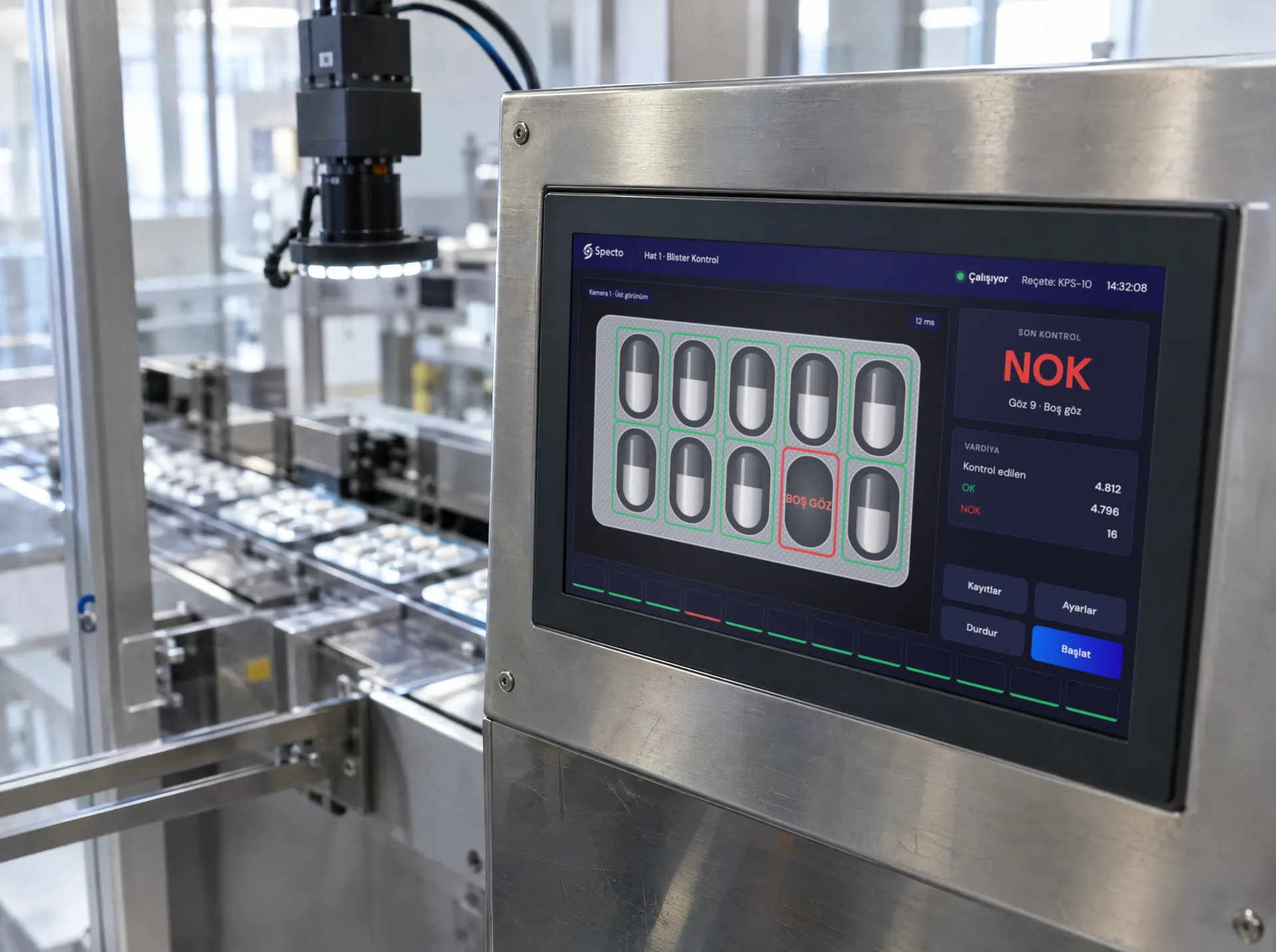
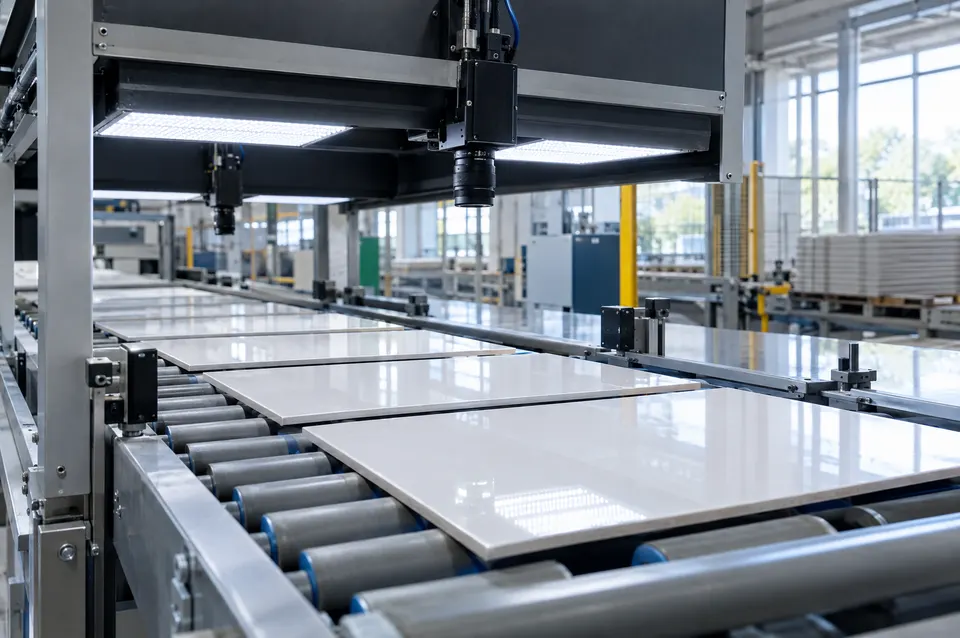
An automated quality control system is one in which software, not an operator, makes the quality decision. In visual inspection, the decision is made by evaluating the camera image with AI and machine vision methods. The system decides at line speed, removes defective products and can pass results to production systems such as PLC, MES or ERP.
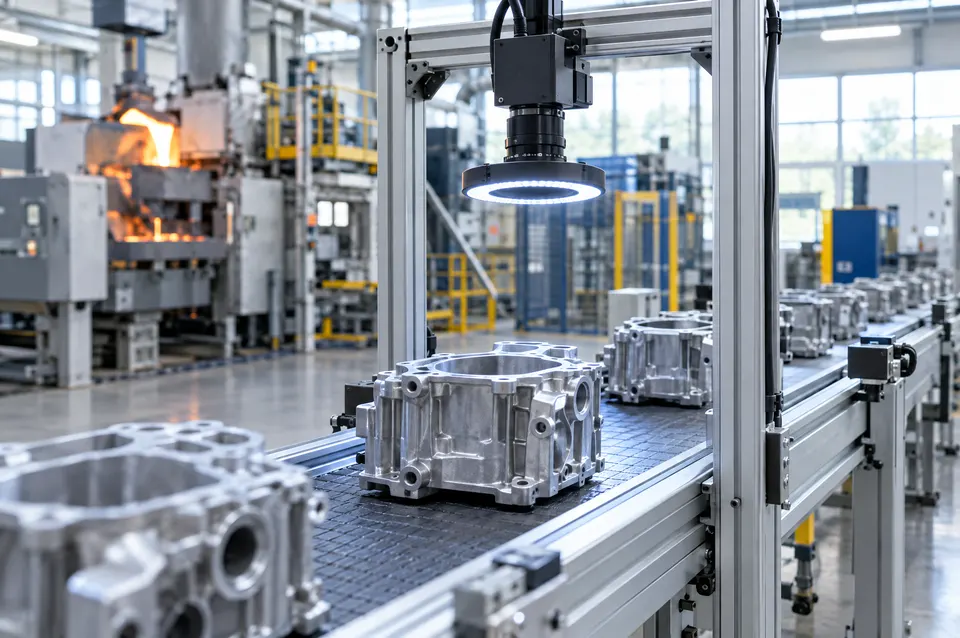
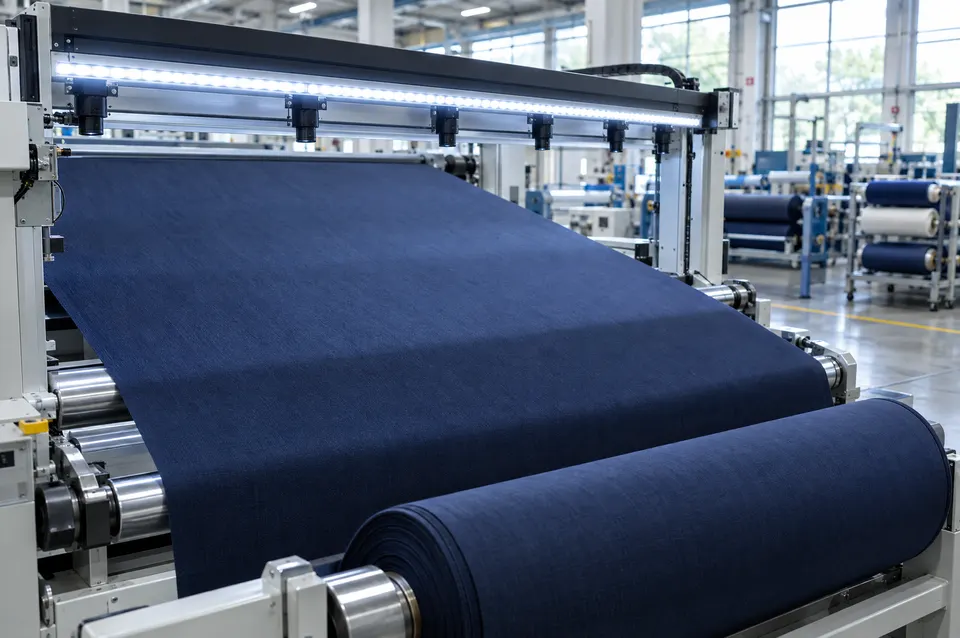
AI-based inspection stands out with naturally variable products. Rule-based inspection works with fixed thresholds and measurements; an AI model learns from images of good and defective products. This lets it separate real defects on textured, patterned or colour-varying surfaces without treating normal variation as a defect. For clearly defined tasks such as measurement, counting and presence checks, rule-based steps are used in the same system.
What does it check?
- Defects on textured and patterned surfaces
- Defects that vary in shape and position
- Undefined deviations (anomaly detection)
- Classification by defect type
- Measurement, counting and presence checks
- Sorting by product and defect type
System components
- Camera, lens and lighting
- AI model trained on the company’s own images
- Rule-based measurement and inspection steps
- PLC and rejector connection
- Operator panel, records and reporting
- MES or ERP transfer where needed
How does it work?
- Step 01
Sample collection
Images of good and defective products are collected; defect types and acceptance limits are defined with the quality team.
- Step 02
Model training
The AI model is trained on images collected from production and results are measured against labelled parts.
- Step 03
Integration
Trigger, result and reject signals are connected to the PLC; the systems that receive results are defined.
- Step 04
Commissioning
The system is run on the line and operators are trained.
- Step 05
Updates
When a new product or defect type arrives, the model is updated with new images.
Industries
Frequently asked questions
How many images are needed to train the AI model?
It depends on product variability and defect types. Images of good products are usually easy to collect; for rare defects, time for sample collection is planned. The amount of data needed becomes clear after reviewing samples.
How does the system show its decisions?
The defect location is marked on the image and stored with the reject reason. The quality team can review the image behind every decision later.
What happens when a new product is added?
A separate product profile is created for the new product. If needed, the model is updated with images of the new product and the right profile is selected for production.
Can the system communicate with a PLC?
Yes. The trigger signal, inspection result and reject command can be exchanged through the PLC. The communication method is chosen for the PLC in the plant.
Rule-based inspection or AI?
Rule-based methods are enough for clearly defined checks such as measurement, counting and presence. For textures, patterns and defects that vary in shape, AI gives more reliable results. Most projects use both.
Let’s evaluate your project together
Tell us about your product and inspection needs, and we will work out the right system together.