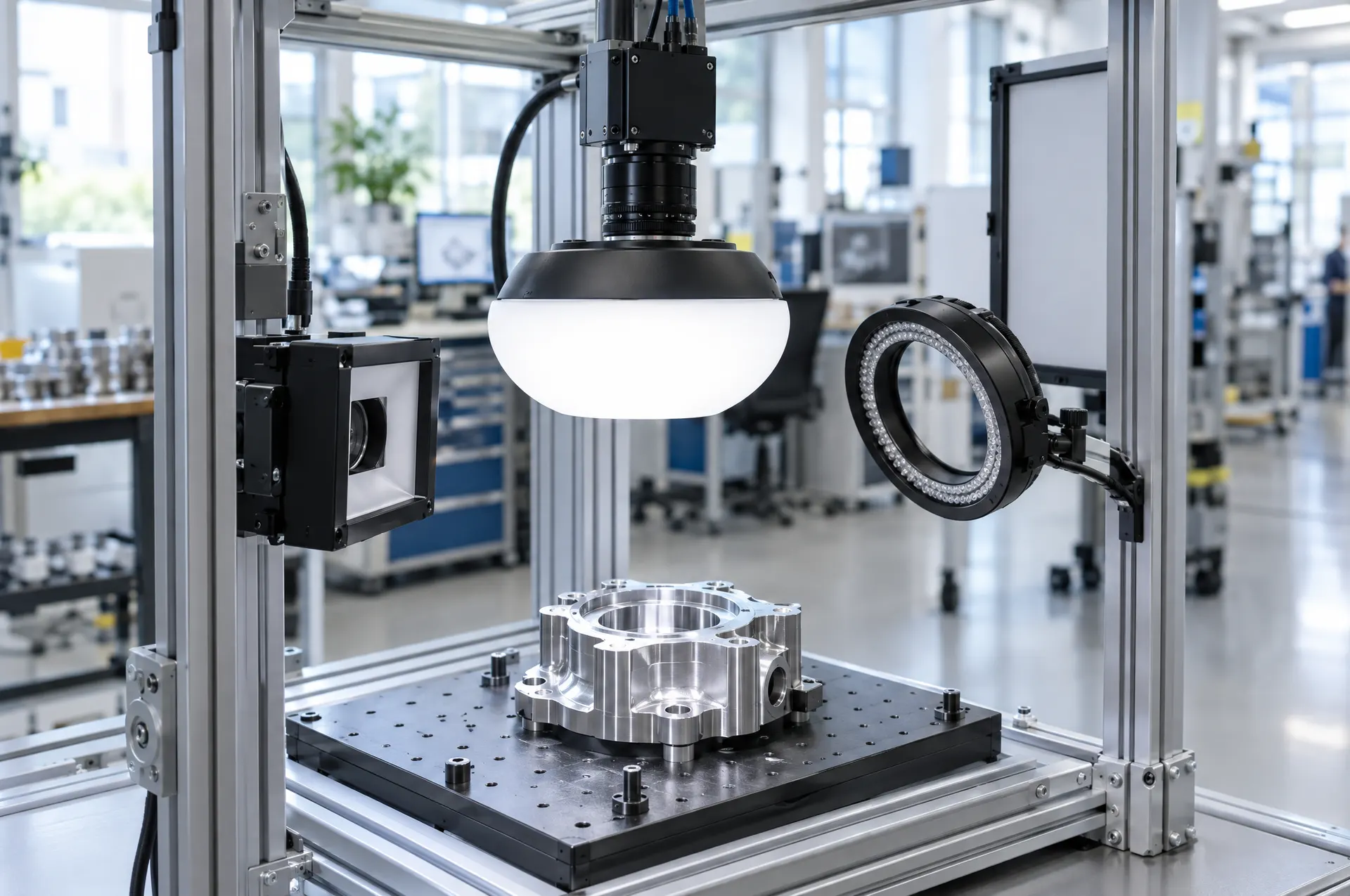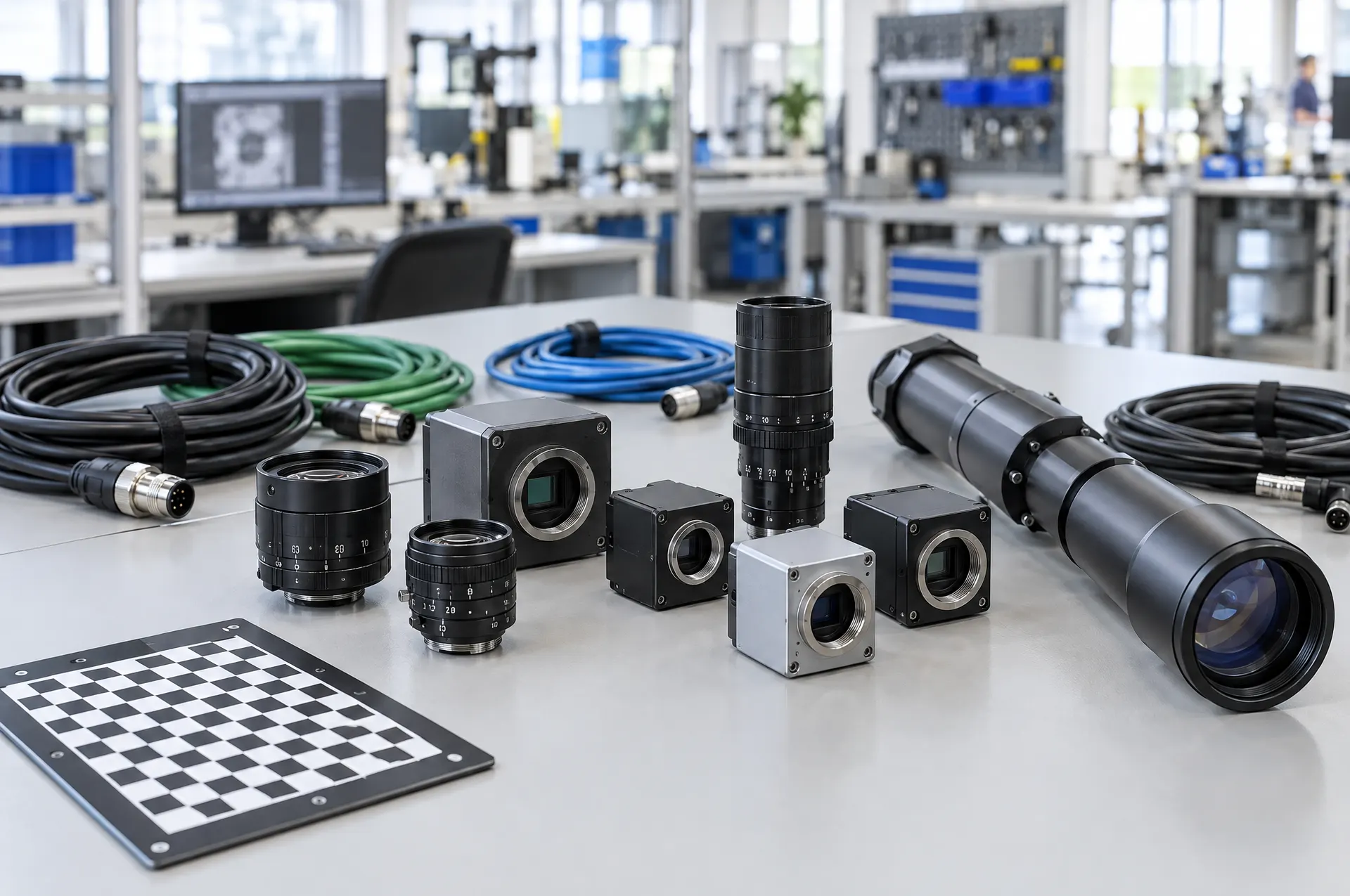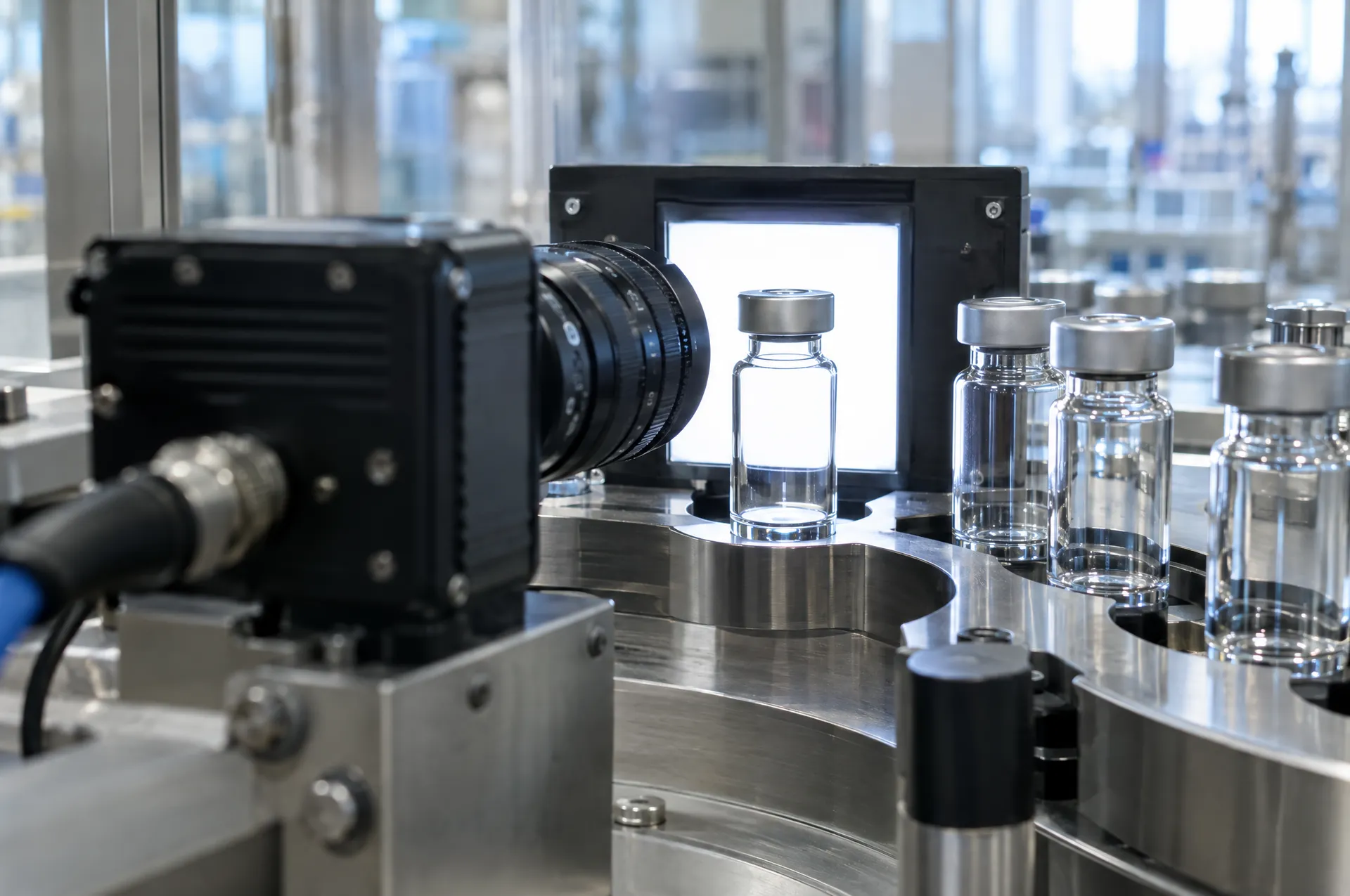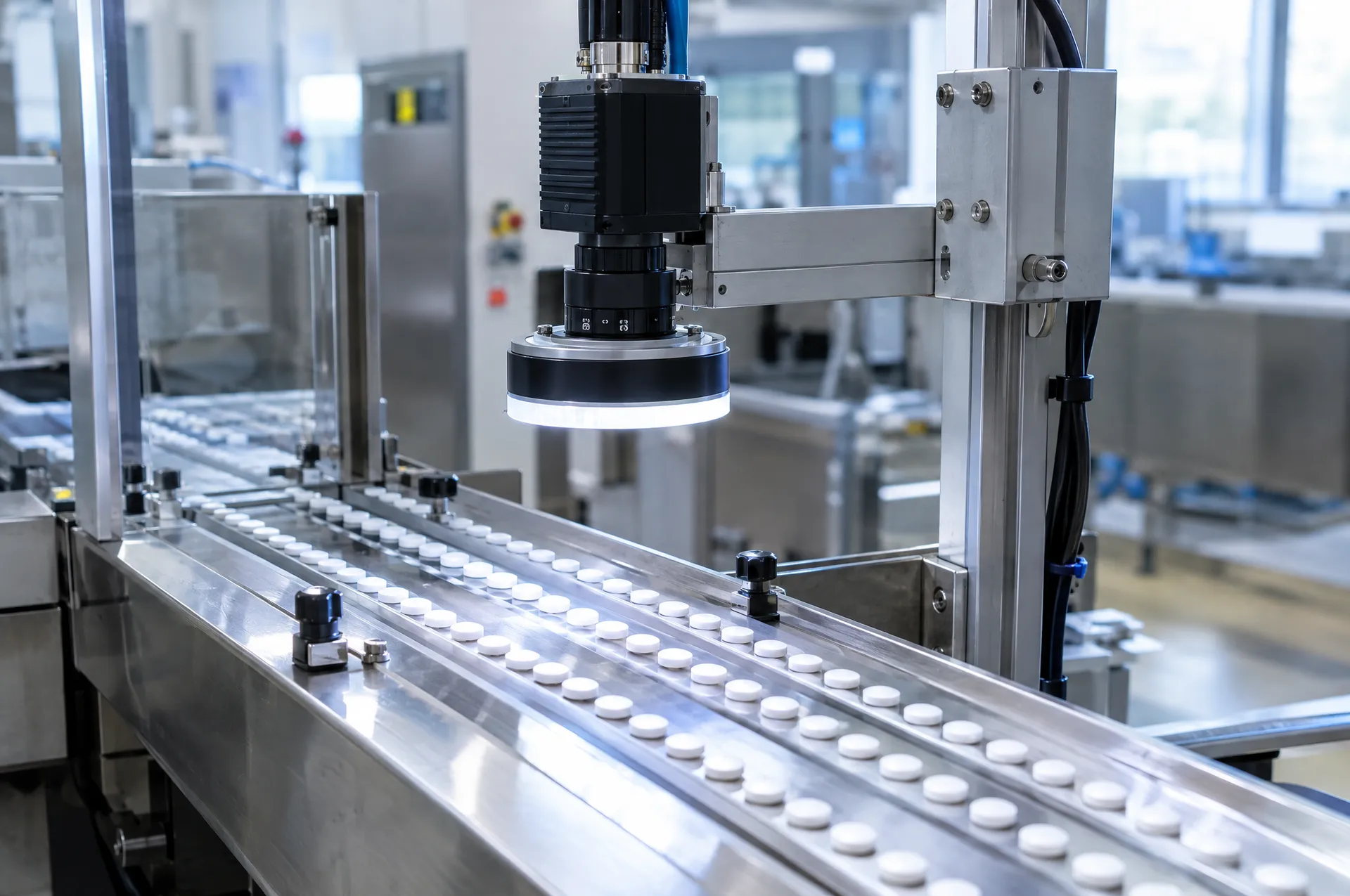
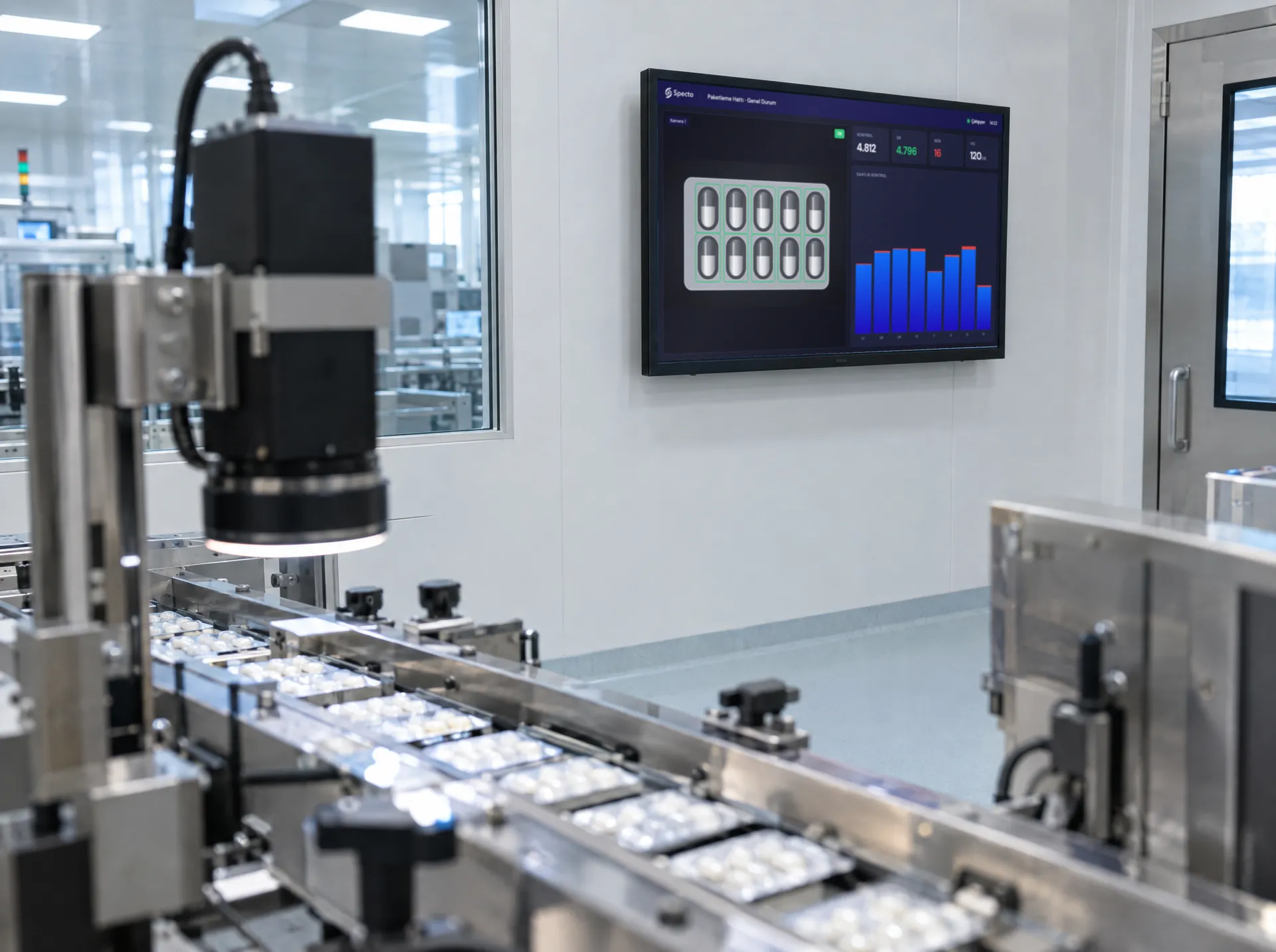
There are two basic approaches to machine vision quality control: classic methods that work with predefined rules, and AI models that learn from examples. In most projects the best results come from using both together.
Rule-based machine vision
In a rule-based system, inspection is done with measurements defined by an engineer: the position of an edge, the diameter of a hole, the colour value in an area or reading a character.
Where it fits:
- Dimensional and tolerance checks
- Presence and absence checks
- Barcode, character and date code reading
- Products with a fixed position and appearance and low variation
The rules are explicit and the result can always be explained the same way. But writing rules becomes difficult for products with high natural variation.
AI-powered inspection
An AI model learns from product images what a good product looks like and finds anything that deviates from it. It can work even when the shape, size or location of a defect cannot be described in advance.
Where it fits:
- Surface defects such as scratches, stains and dents that vary in shape and location
- Products with natural texture or pattern variation (fabric, wood, castings, food)
- Checks where rules would need too many exceptions
Collecting many examples of every defect type is not always necessary. Models built from good product images can flag products that deviate from the reference. Defective samples are used to verify the results.
Which one to choose?
The choice depends on the product and the defect:
| Need | Suitable approach |
|---|---|
| Dimension, position, presence checks | Rule-based |
| Character and date code reading | Rule-based or character recognition model |
| Variable surface defects | AI |
| Naturally textured products | AI |
| Both dimensional and appearance checks | Both together |
What stays the same in both
Whatever the method, the result is not reliable if the camera, lens and lighting are not chosen correctly. If the defect is not visible in the image, no software can find it. That is why every project starts by making the defect visible to the camera.
We explain how both approaches work together in one system on the automated quality control systems page. Contact us to evaluate together which approach suits your product.